The same room, four times
Four functions, same starting condition each time. Design existed. Design was busy. Design was not in the room where direction got set.
Two designers at Feedzai. Six at Talkdesk, in an org about to grow tenfold. One at Screenloop, with product decisions made inside engineering sprints. Two teams at Manychat, inventing a category the company had never shipped.
Five things, in this order
Hiring is the only decision that compounds
Process can be fixed in a quarter. A bad hire reshapes a team for two years, because everyone calibrates to the lowest standard you visibly accept.
At Talkdesk I owned hiring criteria and onboarding while the org went from six to sixty-plus. Growth dilutes quality because the bar lives in the heads of the first six people and never gets written down. So we wrote it down.
Design stops being a service desk
A team receives a brief and returns screens. A function is in the room while the problem is still being framed, which is the only moment design can change the answer.
At Screenloop I spent three months with customers, engineers and the data, then took a product argument to the VP of Product. It changed the premise. Not a better recruiter tool, a coordination layer for hiring pipelines.
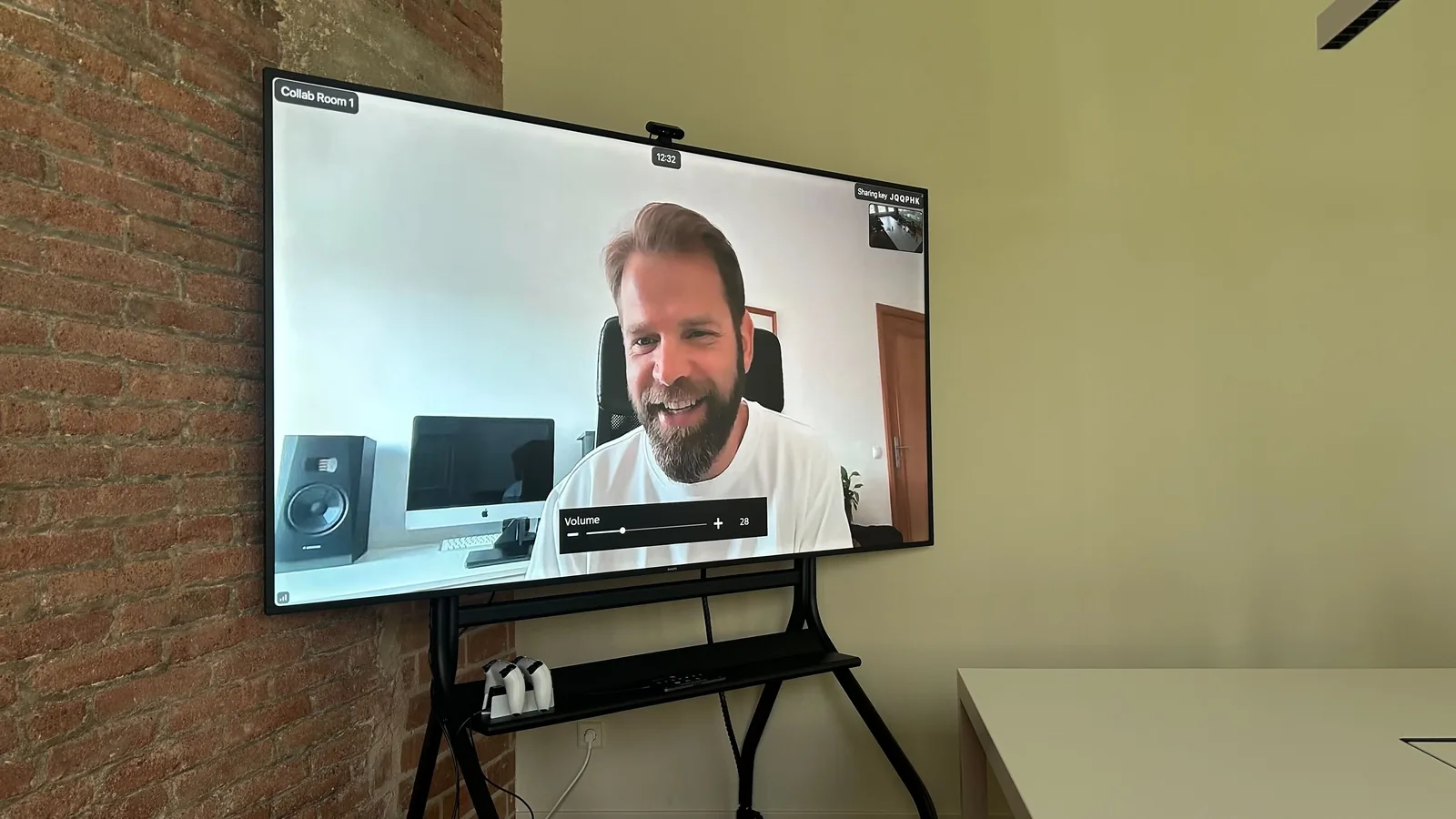
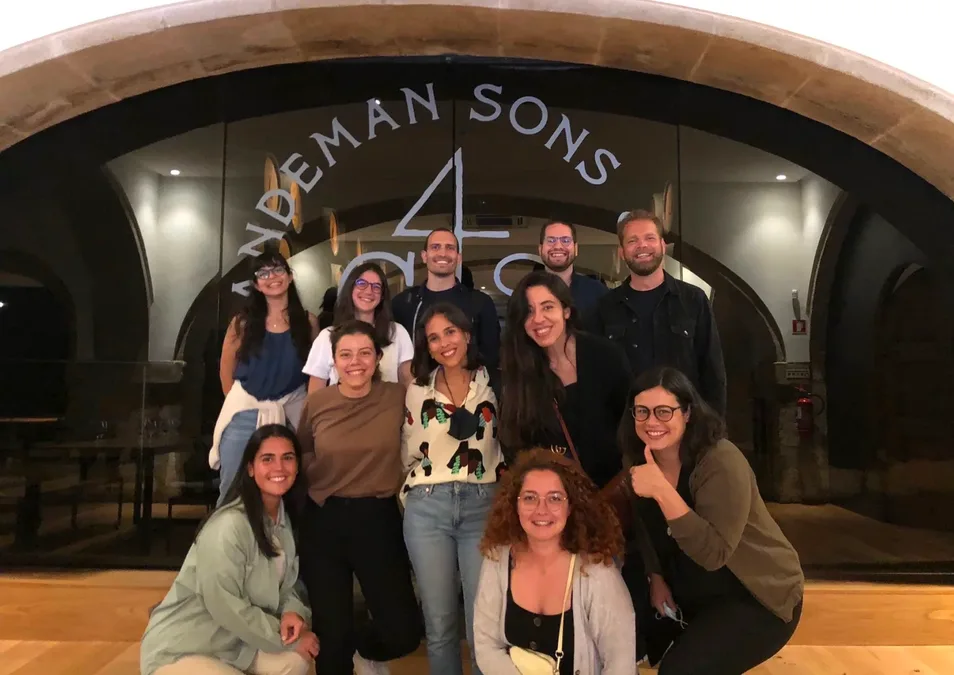
Remote by default, together when the decision needs it
A standard nobody can afford to follow is not a standard
A system is the cheapest way to make the bar survive delivery pressure. If following the standard costs more than ignoring it, the standard loses, however good the team.
At Screenloop it came first and cost a quarter of delivery speed. It is why six products still feel like one.
Collaboration is a relay race. Co-ownership is football.
The failure I see most is not a team that will not collaborate. It is a team collaborating well and still missing, because collaboration asks "did I do my part?" and nobody asks "did the result work?"
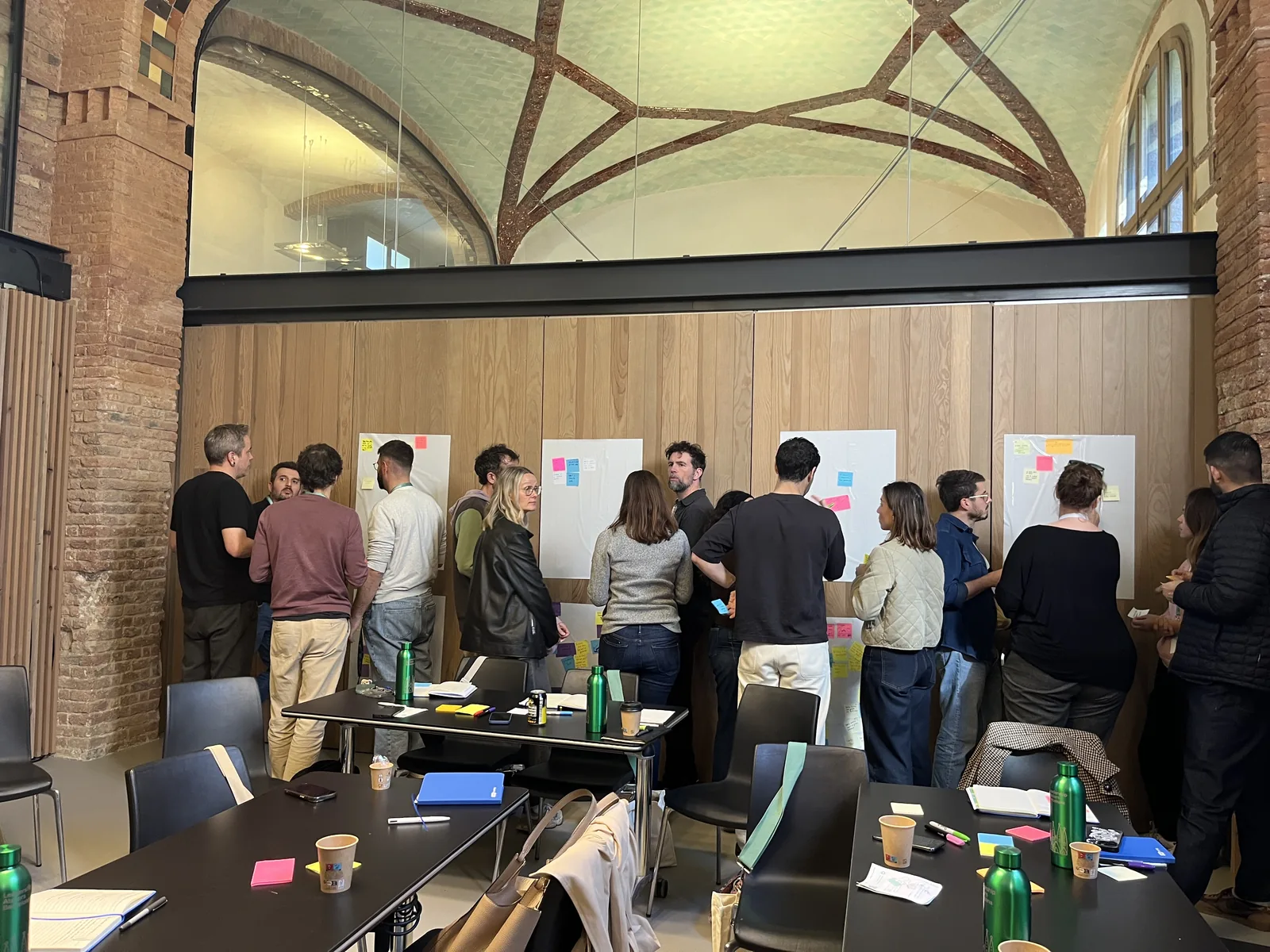
Mapping where ownership breaks, Barcelona
So I make it explicit. Every decision is named as one of three: shared, when it is high-stakes and hard to reverse; delegated, owned by whoever is closest to the information; or escalation-only. Then one tie-break rule for when the team disagrees and time is short.
If that rule contains the word "align", it is not a rule, it is a wish.
I teach this as well as run it, most recently as a sold-out two-day workshop in Barcelona.
"Design got better" is not a claim, it is a number
The weakest position a design leader can hold is asserting quality improved while everyone else arrives with numbers. So I measure it.
At Screenloop: a design quality survey at 6.1 out of 7, next to 156% weekly active user growth and an NPS of 8.5. At Feedzai: recurring usability tests with a fixed cohort, SUS in the excellent range. Pick the measure before the work, not after.
A bar you set is a promise you owe
Hiring against a standard creates an obligation. If I ask people to meet a bar, I owe them the time and the means to get there, and that time has to be protected from delivery or it never happens.
So some of it runs away from the roadmap entirely: sessions on how each designer actually works rather than on what they are shipping this sprint. Strengths named out loud are easier to staff against than strengths discovered in a performance review.
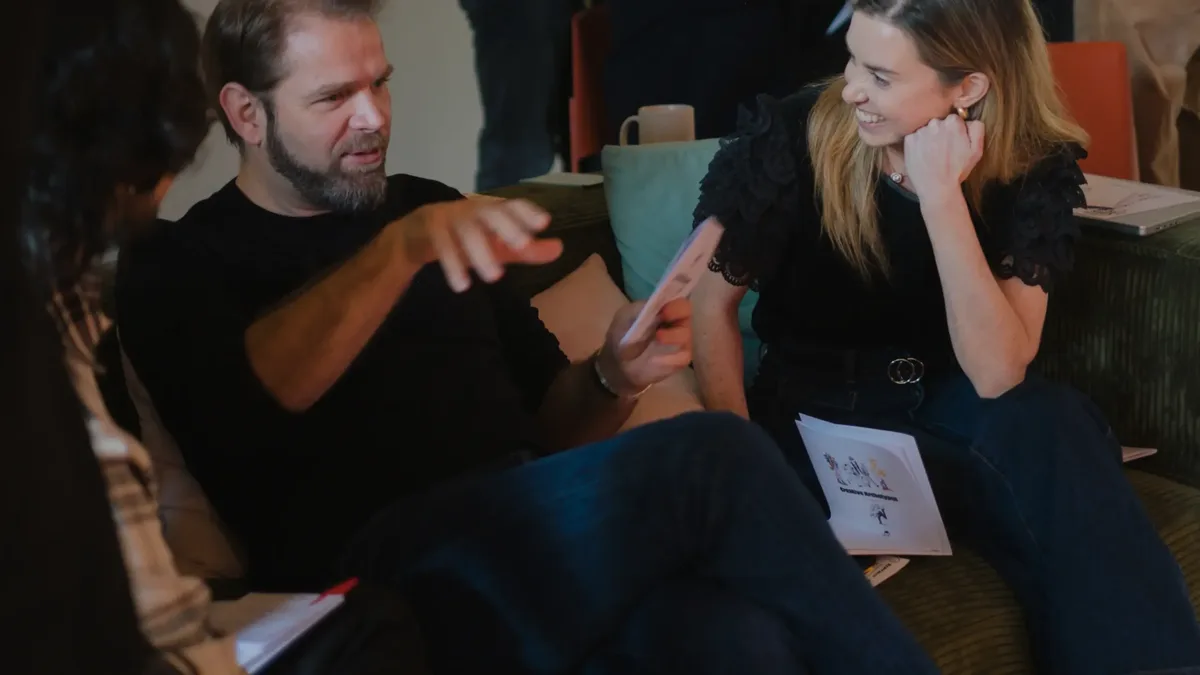
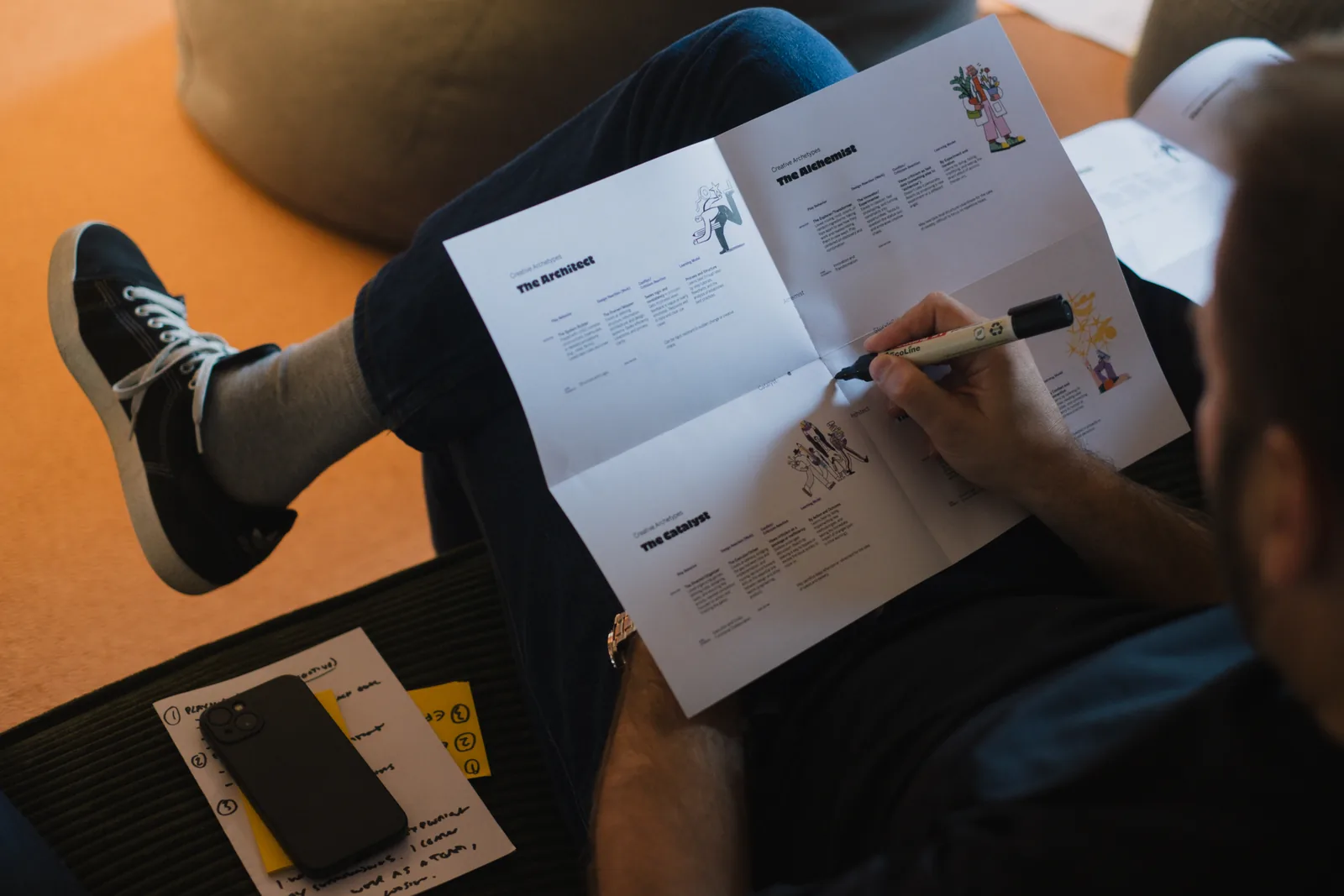
A Manychat team session on how each designer works, not what they are shipping
Where this approach runs out
All of it rests on being close to the work and the team. That proximity is why the standard holds, and it is also the ceiling.
Leading through other managers is a different discipline. I am building it rather than assuming it transfers: handing ownership to senior designers and coaching them as leads.
I have scaled a standard across sixty designers at Talkdesk, but as one of several managers rather than the person accountable for the org. That is the step I want next.
What it has added up to
What I have actually learned
The leadership work and the AI work are not two jobs. As teams go AI-native, execution speeds up, decisions multiply, and accountability blurs. Governance and leadership are the same problem at two altitudes.
The part worth doing is the part that outlasts me: a bar someone else now holds, a process a team kept, a standard a designer took to their next company.